What Your Body’s Numbers Are Telling You: A Real Talk on Managing Chronic Health
We check our phones dozens of times a day, but how often do we really listen to what our bodies are saying? For those managing chronic conditions, health markers like blood pressure, glucose, or cholesterol aren’t just numbers—they’re daily feedback. I’ve learned the hard way that ignoring them is like driving blindfolded. This isn’t about fear; it’s about awareness. Let’s break down what these indicators mean, why they matter, and how small, consistent actions can lead to meaningful changes—no hype, just real insight.
The Silent Language of Health Indicators
Every heartbeat, every breath, every cell in the body contributes to a complex internal conversation—one that speaks in numbers. Blood pressure, blood sugar, cholesterol levels, body mass index (BMI), and markers of inflammation are not random statistics; they are signals. They reflect how well your body systems are communicating and functioning. Think of blood pressure as water pressure in a household plumbing system. If it’s too high, pipes weaken over time. If it’s too low, water doesn’t reach where it’s needed. Similarly, high blood pressure strains the arteries and heart, increasing the risk of long-term damage even when you feel perfectly fine.
Blood glucose, or blood sugar, is another vital signal. It represents the fuel available for your body’s energy needs. In people with prediabetes or type 2 diabetes, the body struggles to manage this fuel efficiently. The pancreas may not produce enough insulin, or cells become resistant to it. Left unchecked, elevated glucose levels can silently harm nerves, kidneys, and eyesight. Yet, many people don’t experience symptoms until significant changes have already occurred. That’s why regular monitoring is essential—it reveals what feelings alone cannot.
Cholesterol, often misunderstood, plays a crucial role in cell structure and hormone production. But when levels of low-density lipoprotein (LDL), sometimes called “bad” cholesterol, rise too high, it can build up in artery walls, forming plaques that narrow blood flow. High-density lipoprotein (HDL), or “good” cholesterol, helps remove excess cholesterol from the bloodstream. The balance between these types matters more than the total number alone. Triglycerides, another type of fat in the blood, also contribute to cardiovascular risk when elevated, especially in combination with low HDL or high LDL.
BMI, while not a perfect tool, offers a quick snapshot of weight in relation to height. It helps identify whether someone falls into underweight, normal weight, overweight, or obese categories. Though it doesn’t measure body fat directly or account for muscle mass, it remains a useful starting point for conversations about metabolic health. More advanced indicators, such as C-reactive protein (CRP), offer insight into systemic inflammation—a hidden driver linked to heart disease, arthritis, and other chronic conditions. Together, these numbers form a language your body uses to communicate its state of balance—or imbalance.
Why These Numbers Matter More Than You Think
Many chronic health conditions develop slowly, often without obvious warning signs. This is what medical professionals refer to as “silent progression.” High blood pressure, for instance, is frequently called the “silent killer” because it can damage the heart, kidneys, and brain over years without causing noticeable symptoms. A person may feel energetic, sleep well, and carry on daily routines without suspecting anything is wrong—only to discover during a routine check-up that their blood pressure has been elevated for months or even years.
The same principle applies to blood sugar. Prediabetes affects millions of adults worldwide, yet most are unaware they have it. Without intervention, up to 30% of people with prediabetes will progress to type 2 diabetes within five years. What makes this especially concerning is that by the time a diagnosis is made, some degree of insulin resistance or organ stress may already be present. Early detection through tests like fasting glucose or HbA1c—a measure of average blood sugar over the past two to three months—can reveal problems long before symptoms appear.
Cholesterol levels also follow this pattern. A person might eat relatively healthfully, avoid smoking, and feel physically capable, yet still have an unfavorable lipid profile. Over time, small imbalances compound. Plaque builds gradually in the arteries, reducing flexibility and increasing the risk of blockages. This process, known as atherosclerosis, often goes undetected until a major event—such as a heart attack or stroke—brings it to light. The key takeaway is that feeling fine does not guarantee optimal health. The body is remarkably resilient and can compensate for dysfunction for a long time, but that doesn’t mean damage isn’t occurring beneath the surface.
Consider the case of a woman in her early 50s who visits her doctor for a routine physical. She reports feeling energetic, walks regularly, and eats balanced meals. Her blood pressure reads 145/92 mmHg—above the normal range—and her LDL cholesterol is borderline high. She dismisses the results, saying, “I feel great, so I must be okay.” But those numbers suggest otherwise. Without attention, her risk of cardiovascular events increases steadily. It’s not about fear, but about recognizing that these indicators offer early warnings—opportunities to act before irreversible changes take place.
Common Misconceptions That Hold People Back
One of the most persistent myths in chronic disease management is the belief that “if I feel well, I must be healthy.” While subjective well-being is important, it’s not a reliable substitute for objective data. The body’s ability to adapt can mask underlying issues for years. Another common misconception is that once medication is prescribed, no further action is needed. Some individuals assume that taking a daily pill for high blood pressure or cholesterol means they can continue their previous lifestyle without consequences. While medications are valuable tools, they work best when combined with healthy habits. Relying solely on drugs without addressing diet, physical activity, or stress can limit their effectiveness and delay true progress.
Another myth is that minor fluctuations in health numbers aren’t worth noticing. People may see a slightly elevated glucose reading one week and assume it’s due to a recent meal or a stressful day—and sometimes, that’s true. But dismissing trends because of isolated explanations prevents deeper understanding. Occasional spikes are normal, but consistent patterns outside the target range signal the need for adjustment. Similarly, some believe that lab results should always fall within the “normal” reference range provided by the testing facility. However, optimal health often requires stricter targets, especially for those already managing a condition. For example, a blood pressure reading of 130/85 mmHg may fall within the “normal” category for some labs, but for someone with diabetes or kidney disease, it’s considered too high.
There’s also a tendency to view health numbers as fixed—something determined entirely by genetics or age. While family history and aging do play roles, research consistently shows that lifestyle choices significantly influence outcomes. Two people with similar genetic risks can have vastly different health trajectories based on their daily behaviors. Believing that “it runs in the family, so there’s nothing I can do” leads to passivity. In reality, even modest changes—like increasing daily steps, reducing processed foods, or improving sleep quality—can shift key markers in a positive direction. Empowerment begins with the understanding that you are not powerless in the face of your numbers.
Tracking with Purpose: Tools and Habits That Work
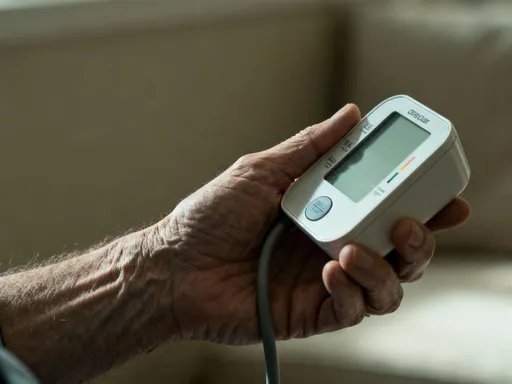
Effective health management starts with consistent monitoring. Fortunately, modern tools make it easier than ever to stay informed. Home blood pressure monitors, glucometers, and digital scales allow individuals to track key metrics regularly without frequent office visits. These devices provide immediate feedback and help identify patterns over time. For example, someone may notice that their blood pressure tends to rise on days with poor sleep or high stress, offering valuable clues for lifestyle adjustments. The key is not just collecting data, but using it meaningfully.
Keeping a simple journal—either on paper or through a mobile app—can enhance awareness. Recording readings along with notes about food, activity, mood, or sleep creates context. Over time, this log becomes a personal health diary, revealing connections that might otherwise go unnoticed. For instance, a woman tracking her glucose levels may observe that her morning numbers are higher after eating sugary cereal the night before. This insight empowers her to make informed dietary changes. Apps designed for chronic condition management often include features like trend graphs, reminders, and secure sharing with healthcare providers, making coordination of care more seamless.
It’s also important to understand what constitutes a meaningful change versus normal variation. Blood pressure naturally fluctuates throughout the day—it’s typically lower in the morning and rises with activity or stress. A single high reading shouldn’t cause alarm, but repeated elevations outside the target range warrant attention. Establishing a baseline through regular measurement helps distinguish between temporary shifts and concerning trends. Most experts recommend taking readings at the same time each day, in a relaxed setting, and avoiding caffeine, exercise, or stressful conversations for at least 30 minutes beforehand.
Consistency is more valuable than frequency. Checking blood pressure twice a day using proper technique yields more useful information than sporadic measurements taken under varying conditions. Similarly, fasting glucose tests are most reliable when done after an overnight fast and before taking medications or eating breakfast. When used correctly, these tools transform abstract numbers into actionable insights. They turn passive patients into active participants in their own care—shifting the focus from reaction to prevention.
Lifestyle Levers That Move the Needle
While medications and medical interventions are important, lifestyle remains the foundation of long-term health. What you eat, how much you move, how well you sleep, and how you manage stress all directly influence your body’s key indicators. Nutrition, in particular, has a powerful impact. A diet rich in whole grains, vegetables, fruits, lean proteins, and healthy fats supports stable blood sugar, healthy cholesterol levels, and balanced blood pressure. Fiber, found in beans, oats, and leafy greens, slows glucose absorption and helps lower LDL cholesterol. Reducing intake of processed foods, added sugars, and refined carbohydrates can lead to measurable improvements in as little as a few weeks.
Physical activity is another critical lever. You don’t need intense workouts to benefit—moderate movement like brisk walking, gardening, or dancing for 30 minutes a day can lower blood pressure, improve insulin sensitivity, and support weight management. Even short bursts of activity, such as taking the stairs or parking farther from the store, add up over time. For those with joint limitations or mobility challenges, chair exercises, water aerobics, or gentle stretching can still provide cardiovascular and metabolic benefits. The goal is consistency, not intensity. Movement doesn’t have to be formal exercise; it’s about staying active throughout the day.
Sleep is often overlooked, yet it plays a major role in metabolic regulation. Poor sleep disrupts hormones that control hunger and insulin response, increasing the risk of weight gain and elevated blood sugar. Adults should aim for seven to nine hours of quality sleep per night. Creating a regular bedtime routine, limiting screen time before bed, and keeping the bedroom cool and dark can improve sleep hygiene. Managing stress is equally important. Chronic stress triggers the release of cortisol, a hormone that can raise blood pressure and blood sugar over time. Techniques such as deep breathing, meditation, journaling, or spending time in nature can help regulate the stress response and support overall well-being.
These changes don’t have to happen all at once. Small, sustainable shifts are more effective than drastic overhauls that are difficult to maintain. For example, swapping sugary drinks for water, adding a serving of vegetables to one meal a day, or walking for 10 minutes after dinner are simple steps that build momentum. Over time, these habits become routine, leading to lasting improvements in health markers. The message is clear: you don’t need perfection—just progress.
When to Seek Help—And How to Talk to Your Doctor
While self-monitoring is empowering, it’s not a replacement for professional medical guidance. Knowing when to seek help is a crucial part of managing chronic conditions. If blood pressure readings consistently exceed 140/90 mmHg, or if fasting glucose levels remain above 126 mg/dL on multiple occasions, it’s time to consult a healthcare provider. Sudden, unexplained changes—such as rapid weight gain, persistent fatigue, or dizziness—also warrant evaluation. Even if you feel fine, regular check-ups are essential for early detection and timely intervention.
Preparing for doctor visits can make them more productive. Bringing a log of your home readings—blood pressure, glucose, or weight—gives your provider a clearer picture of your day-to-day health. Writing down questions in advance ensures you don’t forget important topics. For example, “What do my latest lab results mean?” or “Are my current medications still the best option for me?” Asking for clarification when something isn’t clear helps build understanding. You have the right to know your numbers, what they indicate, and what your goals should be.
Open communication fosters better outcomes. If you’re struggling with side effects, finding time to exercise, or making dietary changes, share that with your doctor. They may offer alternatives, refer you to a dietitian, or suggest support programs. Medicine is not one-size-fits-all, and treatment plans should evolve as your needs change. A good healthcare relationship is collaborative—based on trust, honesty, and shared decision-making. You are not alone in this journey, and help is available when you need it.
Building a Life Around Health, Not Disease
Managing chronic health conditions is not about restriction—it’s about redefining what it means to live well. It’s easy to view blood pressure cuffs, glucometers, and medication schedules as symbols of illness. But they can also be seen as tools of empowerment—ways to stay connected to your body and make informed choices. Rather than focusing on what you can’t do, shift attention to what you can do to feel your best. This mindset transforms health management from a burden into a form of self-respect.
Every small action counts. Choosing water over soda, taking a walk after dinner, or pausing to breathe deeply during a stressful moment—all of these contribute to better health over time. Progress is rarely linear, and setbacks are normal. What matters is persistence. The goal isn’t perfection, but consistency. Over months and years, these choices accumulate, leading to improved energy, greater resilience, and a reduced risk of complications.
Your body’s numbers are not judgments—they are messengers. They offer feedback, guidance, and opportunities to course-correct before problems grow. By listening with curiosity rather than fear, you take back control. You learn to respond rather than react. You build a life not defined by disease, but shaped by care, awareness, and intention. This journey is personal, ongoing, and deeply worthwhile. With the right knowledge, support, and daily choices, long-term vitality is not just possible—it’s within reach.