What I Learned About Eating Right While Pregnant — No Gimmicks, Just Real Talk
Pregnancy changes everything—especially how you eat. I used to think "eating for two" meant doubling up on snacks, but I quickly learned it’s about quality, not quantity. What you consume fuels your baby’s growth, your energy, and your recovery. With so much conflicting advice out there, it’s easy to feel overwhelmed. This is a science-backed, no-drama look at smart food pairing during pregnancy—what actually works, why it matters, and how to make it simple.
The Myth of "Eating for Two" – Why More Isn’t Better
The phrase "eating for two" is one of the most persistent myths in prenatal nutrition, yet it misleads more than it helps. Many women interpret this idea as permission—or even an obligation—to eat significantly more throughout pregnancy. In reality, the increased nutritional demands are modest, especially in the early stages. The body becomes more efficient at absorbing nutrients, so the focus should shift from volume to value. During the first trimester, there is no substantial increase in caloric needs. It’s only in the second and third trimesters that energy requirements rise slightly, and even then, the increase is equivalent to a small, nutrient-rich meal—not an all-you-can-eat pass.
Overeating during pregnancy carries real risks, including excessive weight gain, gestational diabetes, and complications during delivery. Studies have shown that women who gain more weight than recommended are more likely to experience prolonged labor, higher chances of cesarean section, and difficulty returning to pre-pregnancy weight. More importantly, overconsumption of empty calories—such as those from sugary drinks, processed snacks, or refined carbohydrates—does not support fetal development and can actually impair metabolic health for both mother and child. The goal is not to restrict, but to optimize. Choosing foods rich in vitamins, minerals, fiber, and healthy fats ensures that every bite contributes to well-being.
Nutrient density should be the guiding principle. This means selecting foods that deliver the most nutritional benefit per calorie. For example, a serving of quinoa with roasted vegetables offers protein, fiber, B vitamins, antioxidants, and essential minerals, whereas a muffin of equal calories may provide little more than sugar and refined flour. By prioritizing nutrient-dense options, pregnant women can meet their needs without overeating. It’s not about eating less—it’s about eating better. This mindset shift transforms prenatal nutrition from a source of anxiety into an empowering daily practice.
Why Food Pairing Matters More Than You Think
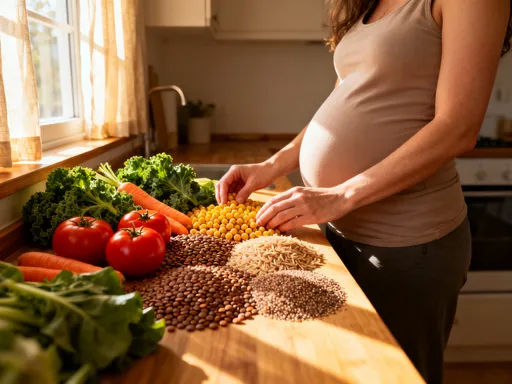
Nutrition during pregnancy isn’t just about individual foods—it’s about how they work together. The concept of nutrient synergy explains how certain combinations enhance the body’s ability to absorb and use essential vitamins and minerals. For instance, iron from plant sources (non-heme iron) is not as easily absorbed as iron from meat, but its absorption can increase dramatically when eaten with foods rich in vitamin C. This simple pairing—such as lentils with tomatoes or spinach with lemon juice—can make a meaningful difference in preventing iron deficiency, a common concern during pregnancy.
Another powerful example is fat-soluble vitamins—A, D, E, and K—which require dietary fat for proper absorption. Eating raw carrots provides beta-carotene, a precursor to vitamin A, but adding a small amount of olive oil or avocado significantly boosts its conversion and uptake. Similarly, pairing calcium-rich foods like kale or fortified plant milk with sources of healthy fats improves the utilization of these nutrients. These synergistic effects are not magic—they are grounded in physiology, and leveraging them can help address common prenatal challenges like fatigue, weakened immunity, and low energy.
Understanding food pairing also helps counteract nutrient inhibitors. For example, compounds in tea and coffee called tannins can reduce iron absorption when consumed with meals. By simply waiting an hour after eating to drink these beverages, women can protect their iron levels. Phytates in whole grains and legumes can also bind minerals like zinc and iron, but soaking, fermenting, or cooking these foods reduces their impact. Practical strategies like combining beans with bell peppers or serving oatmeal with sliced strawberries turn everyday meals into powerful tools for health. When women learn to think in combinations rather than isolation, they gain greater control over their nutritional outcomes.
Balancing Macros: Proteins, Carbs, and Fats That Support You Both
Macronutrients—proteins, carbohydrates, and fats—are the foundation of a balanced prenatal diet, each playing a distinct and vital role in supporting both maternal and fetal health. Protein is essential for the development of the baby’s tissues, including the brain and muscles, and helps maintain the mother’s muscle mass and immune function. Good sources include lean meats, poultry, eggs, dairy, legumes, tofu, and nuts. Including a source of protein at every meal helps stabilize blood sugar, reduce cravings, and sustain energy throughout the day.
Carbohydrates are the body’s primary energy source, but not all carbs are equal. Complex carbohydrates, found in whole grains, vegetables, legumes, and fruits, release glucose slowly, providing steady fuel and preventing energy crashes. In contrast, refined carbohydrates like white bread, pastries, and sugary cereals cause rapid spikes and drops in blood sugar, which can contribute to mood swings, fatigue, and increased risk of gestational diabetes. Choosing fiber-rich carbs supports digestive health, helps regulate appetite, and promotes a balanced gut microbiome—important for both mother and baby.
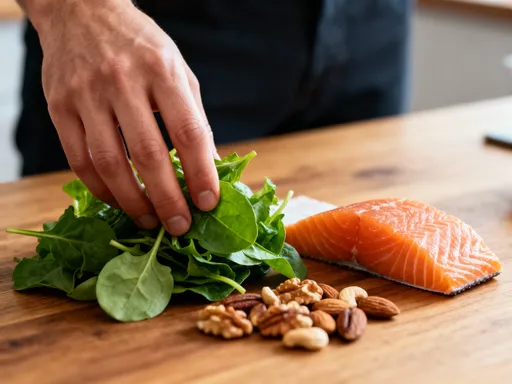
Fats, often misunderstood, are critical for fetal brain development, hormone production, and nutrient absorption. Healthy fats—particularly omega-3 fatty acids found in fatty fish like salmon, chia seeds, flaxseeds, and walnuts—support cognitive and visual development in the growing fetus. Monounsaturated and polyunsaturated fats from avocados, olive oil, and nuts also contribute to heart health and reduce inflammation. Saturated fats should be consumed in moderation, and trans fats—found in many processed and fried foods—should be avoided entirely. A balanced plate might include grilled chicken (protein), quinoa (complex carb), and steamed broccoli with olive oil (fiber and healthy fat), demonstrating how all three macros can work together harmoniously.
Practical meal combinations make macro balance achievable even on busy days. A smoothie with Greek yogurt, banana, spinach, and almond butter delivers protein, complex carbs, fiber, and healthy fats. Whole grain toast with avocado and a boiled egg offers sustained energy and essential nutrients. These combinations are not only nutritious but also satisfying, helping to prevent overeating and promote consistent energy levels. By viewing meals through the lens of macro balance, pregnant women can build a diet that supports both physical and emotional well-being.
Iron and Folate: The Power Duo and How to Maximize Their Impact
Iron and folate stand out as two of the most critical nutrients during pregnancy, each playing a non-negotiable role in fetal development and maternal health. Folate, especially in the form of folic acid, is essential in the early weeks of pregnancy for the proper formation of the neural tube, which becomes the baby’s brain and spinal cord. Insufficient folate intake increases the risk of neural tube defects, which is why healthcare providers recommend supplementation before conception and during the first trimester. But food sources matter too—dark leafy greens, lentils, chickpeas, and fortified grains are excellent natural sources that complement prenatal vitamins.
Iron becomes increasingly important as pregnancy progresses, supporting the expansion of the mother’s blood volume and the baby’s growing tissues. The body’s need for iron nearly doubles during pregnancy, making deficiency a common concern. Symptoms like fatigue, weakness, and shortness of breath are often linked to low iron levels. While red meat, poultry, and fish provide highly absorbable heme iron, plant-based sources like beans, tofu, and fortified cereals are also valuable—especially when paired wisely. Consuming vitamin C-rich foods such as oranges, strawberries, bell peppers, or tomatoes alongside iron-rich meals can enhance absorption by up to threefold.
To maximize the benefits of these nutrients, timing and meal composition matter. For example, a lunch of lentil soup with a side of orange slices or a spinach salad with lemon dressing leverages natural food synergies. On the other hand, certain habits can undermine efforts. Drinking tea or coffee with meals, for instance, can inhibit iron absorption due to tannins. Calcium supplements and high-dairy meals can also interfere with iron uptake when taken simultaneously. Spacing these nutrients apart—such as taking iron supplements between meals with water and vitamin C, and consuming calcium at different times—can improve overall status.
It’s also important to monitor levels through routine blood tests, as symptoms of deficiency can be subtle. Fatigue is common in pregnancy, but persistent exhaustion may signal low iron. A healthcare provider can assess hemoglobin and ferritin levels and recommend appropriate supplementation if needed. While food should be the primary source, supplements play a supportive role when dietary intake falls short. The goal is not perfection but consistency—building habits that prioritize these nutrients daily through smart choices and thoughtful combinations.
Calcium and Vitamin D: Building Strong Foundations Together
Calcium and vitamin D form a dynamic pair essential for building strong bones and teeth in the developing baby, as well as maintaining the mother’s skeletal health. During pregnancy, the fetus draws calcium from the mother to form its skeleton, particularly in the third trimester when bone mineralization accelerates. If dietary intake is inadequate, the body will pull calcium from the mother’s bones, increasing her risk of long-term bone density loss. Therefore, ensuring sufficient calcium intake is not just about the baby—it’s an investment in the mother’s future health.
Dairy products like milk, yogurt, and cheese are well-known sources of calcium, but many non-dairy options are equally effective. Fortified plant milks—such as almond, soy, or oat milk—often contain comparable levels of calcium. Leafy greens like kale, bok choy, and collard greens also contribute, as do fortified cereals and tofu made with calcium sulfate. Including a variety of these sources throughout the day helps meet needs without relying on any single food. A breakfast of fortified cereal with plant milk, a snack of yogurt, and a dinner featuring steamed broccoli can collectively provide substantial calcium.
Vitamin D is the key that unlocks calcium absorption. Without adequate vitamin D, the body can absorb only a fraction of the calcium consumed. While some foods—like fatty fish, egg yolks, and fortified dairy or plant milks—contain vitamin D, the primary source for most people is sunlight. The skin produces vitamin D when exposed to ultraviolet B rays, but factors like geographic location, season, skin tone, and sunscreen use can limit synthesis. For many pregnant women, especially those in northern latitudes or with limited sun exposure, dietary intake and supplementation become crucial.
Combining calcium and vitamin D in meals enhances their effectiveness. A lunch of grilled salmon (rich in vitamin D) with a side of sautéed kale (calcium-rich) exemplifies this synergy. Similarly, a smoothie made with fortified plant milk and a spoonful of chia seeds offers both nutrients along with fiber and omega-3s. Because vitamin D is fat-soluble, consuming it with a source of fat—such as avocado or olive oil—improves absorption. Routine screening for vitamin D levels is common during prenatal care, and supplementation is often recommended to ensure sufficiency. Together, calcium and vitamin D form the foundation of skeletal health, supporting both the growing baby and the mother’s long-term well-being.
Managing Cravings Without Compromising Nutrition
Food cravings during pregnancy are real, common, and often intense. Whether it’s a sudden desire for pickles and ice cream, a need for crunchy textures, or a sweet tooth that won’t quit, these urges are a normal part of hormonal and metabolic changes. Rather than resisting them entirely or feeling guilty, a more balanced approach is to acknowledge cravings while guiding choices toward options that satisfy without sacrificing nutrition. The goal is not elimination, but smart substitution—finding ways to honor the craving while still supporting health.
For example, a craving for something sweet can be met with a piece of dark chocolate paired with a handful of almonds. This combination provides antioxidants, healthy fats, and a moderate amount of sugar, offering satisfaction without the blood sugar rollercoaster of candy bars. A desire for salty, crunchy snacks might be fulfilled with roasted chickpeas or air-popped popcorn seasoned with nutritional yeast, which adds protein and B vitamins. These alternatives deliver flavor and texture while contributing nutrients, making them more supportive than empty-calorie options.
Mindful eating plays a key role in managing cravings. Taking time to eat slowly, savor flavors, and recognize fullness cues helps prevent overconsumption. Sometimes, what feels like a food craving is actually a sign of dehydration, fatigue, or emotional stress. Drinking a glass of water, taking a short walk, or resting for a few minutes can reduce the intensity of the urge. Keeping healthy snacks readily available—such as fruit with nut butter, yogurt with berries, or whole grain crackers with hummus—makes it easier to make thoughtful choices even when hunger strikes suddenly.
It’s also important to remember that occasional indulgence is not harmful. Eating a slice of cake at a celebration or enjoying a favorite treat once in a while does not undermine a generally healthy diet. The prenatal period is not the time for rigid rules or perfectionism. A flexible, compassionate approach that includes both nourishing meals and mindful enjoyment leads to better outcomes—and a more positive experience overall. When women feel supported rather than restricted, they are more likely to maintain healthy habits long after pregnancy ends.
Putting It All Together: Simple, Daily Meal Frameworks
With so many nutritional considerations, planning meals during pregnancy can feel overwhelming. The good news is that it doesn’t require complicated recipes or strict regimens. A flexible, practical framework can simplify daily eating while ensuring a broad range of nutrients. The key is consistency, variety, and balance—focusing on whole foods, colorful ingredients, and smart combinations that support both mother and baby.
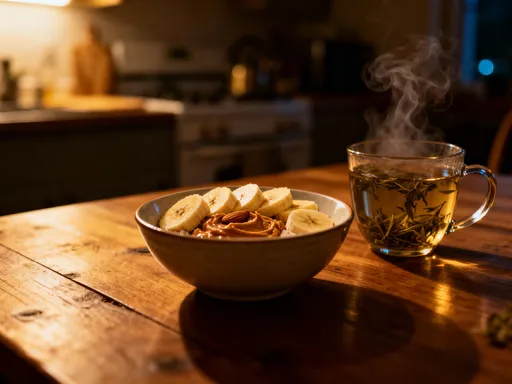
For breakfast, aim to include protein, complex carbohydrates, and healthy fats. Options like oatmeal made with fortified milk, topped with banana and chia seeds, or scrambled eggs with whole grain toast and avocado, provide sustained energy and essential nutrients. Adding a citrus fruit or a glass of orange juice enhances iron absorption from plant-based components. Lunch can center on a leafy green salad with beans or grilled chicken, colorful vegetables, a lemon-based dressing, and a side of whole grain bread. This meal delivers fiber, protein, iron, folate, and vitamin C in one balanced plate.
Dinner might include a lean protein such as baked salmon or tofu, a serving of quinoa or sweet potato, and a variety of roasted or steamed vegetables drizzled with olive oil. This combination supports omega-3 intake, complex carbs, and fat-soluble vitamin absorption. Snacks are equally important—they help maintain energy and prevent overeating at meals. Healthy options include Greek yogurt with berries, apple slices with peanut butter, cottage cheese with pineapple, or a small handful of mixed nuts and dried fruit.
Hydration is a cornerstone of prenatal nutrition that is often overlooked. Water supports circulation, digestion, amniotic fluid production, and nutrient transport. Pregnant women are generally advised to drink about 8–10 cups of fluids daily, with water being the best choice. Herbal teas (confirmed safe during pregnancy), milk, and broths also contribute. Limiting sugary drinks and caffeine helps maintain stable energy and reduces the risk of excessive weight gain. By building meals around variety, color, and nutrient synergy, and by drinking plenty of fluids, women can create a sustainable, nourishing pattern of eating that supports a healthy pregnancy and lays the groundwork for lifelong wellness.
Smart eating during pregnancy isn’t about strict rules or deprivation—it’s about making thoughtful choices that support both mother and baby. By understanding how foods work together, women can nourish their bodies in the most effective way. This isn’t a short-term diet; it’s a step toward healthier habits that last far beyond delivery. Always consult a healthcare provider to personalize nutrition plans—because every pregnancy is unique.